News
SEO, AEO and GEO: how AI is reshaping search visibility
Just a few years ago, search results were predictable: a user would enter a query and receive a list of links. Today, search engines increasingly provide ready-made answers directly on the page, and sometimes even generate them using artificial intelligence.
Research by SparkToro and Datos (Semrush) suggests that over 60% of Google searches end without a click to any website, and users get the information they need directly from the search results.
These changes are also reshaping the way content is optimized. Classic SEO remains important, but new strategies are emerging alongside it: AEO and GEO. In this article, we’ll explore the differences between SEO, AEO, and GEO, how search results are changing with the advancement of AI, and how to adapt content to this new landscape.
What is SEO?
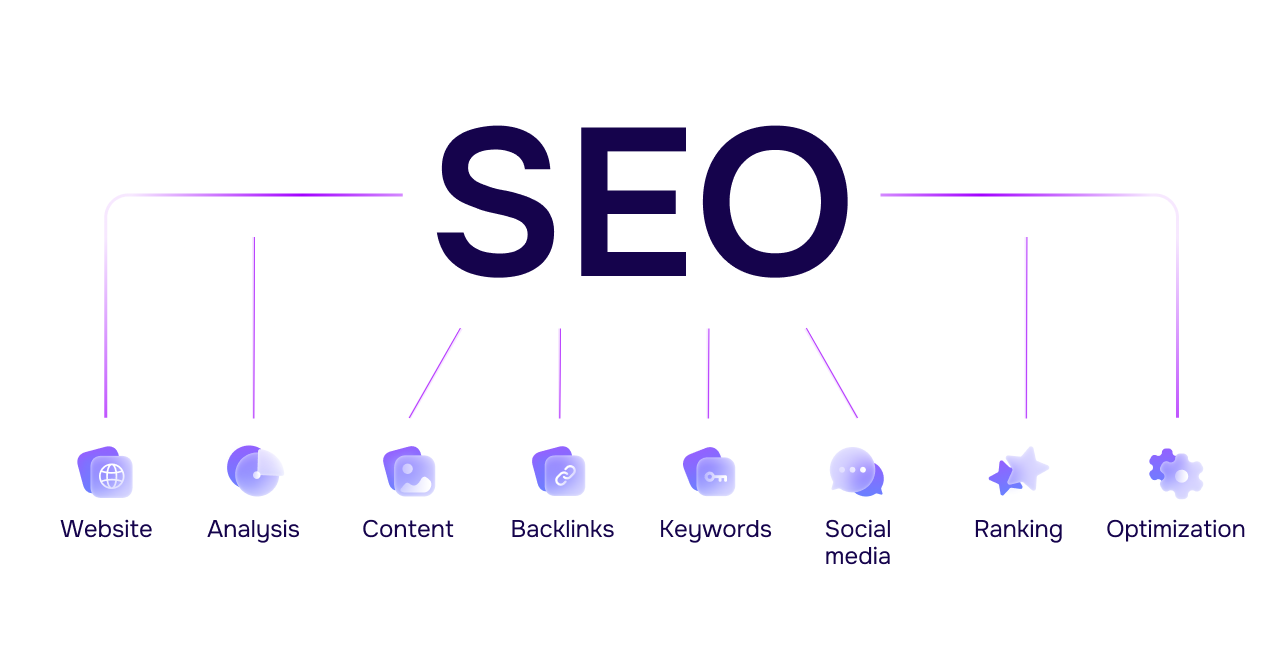
SEO (Search Engine Optimization) is a set of website and content optimization methods aimed at improving their visibility in search engines and attracting organic traffic from search results. SEO helps a website appear higher in search results when users enter related queries.
Pages are optimized for specific queries by using relevant keywords, creating a logical content structure, improving technical factors (loading speed, mobile optimization, indexing), building links, and considering user experience. Search engine algorithms analyze hundreds of ranking factors to determine which pages best answer a user’s query.
SEO is especially effective for informational content, commercial pages, and long-tail queries: longer, more specific search phrases. For example, queries of four to five words may yield fewer impressions but often attract more qualified users. Long-tail search queries account for over 70% of all search queries, so optimizing for them remains an important part of SEO strategy.
What is AEO?
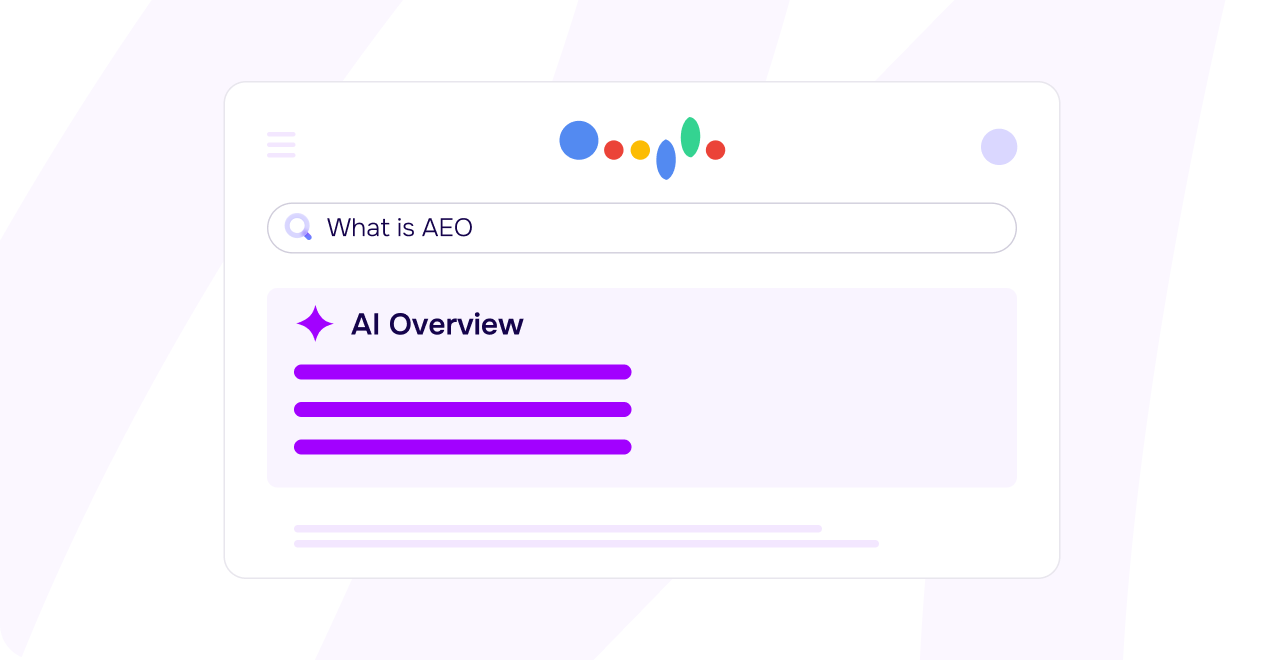
AEO (Answer Engine Optimization) is the optimization of content for search engines and AI systems that provide users with ready-made answers directly in search results, without requiring them to visit the website.
AEO is used when search engines or digital assistants attempt to provide a direct answer to a user’s question. Approximately 40% of voice search results are generated from featured snippets, so content that clearly and directly answers the question is more likely to be included in these snippets.
For content to be included in these snippets, it must be easily understood by algorithms. This is typically achieved through direct and clear answers to questions, brief explanations at the beginning of the text, a logical content structure, FAQ sections, and the use of structured data (schema markup).
AEO content often follows a simple model: a question → a short answer (1–2 sentences) → a more detailed explanation, which helps search engines quickly extract the necessary information and display it to the user.
What is GEO?
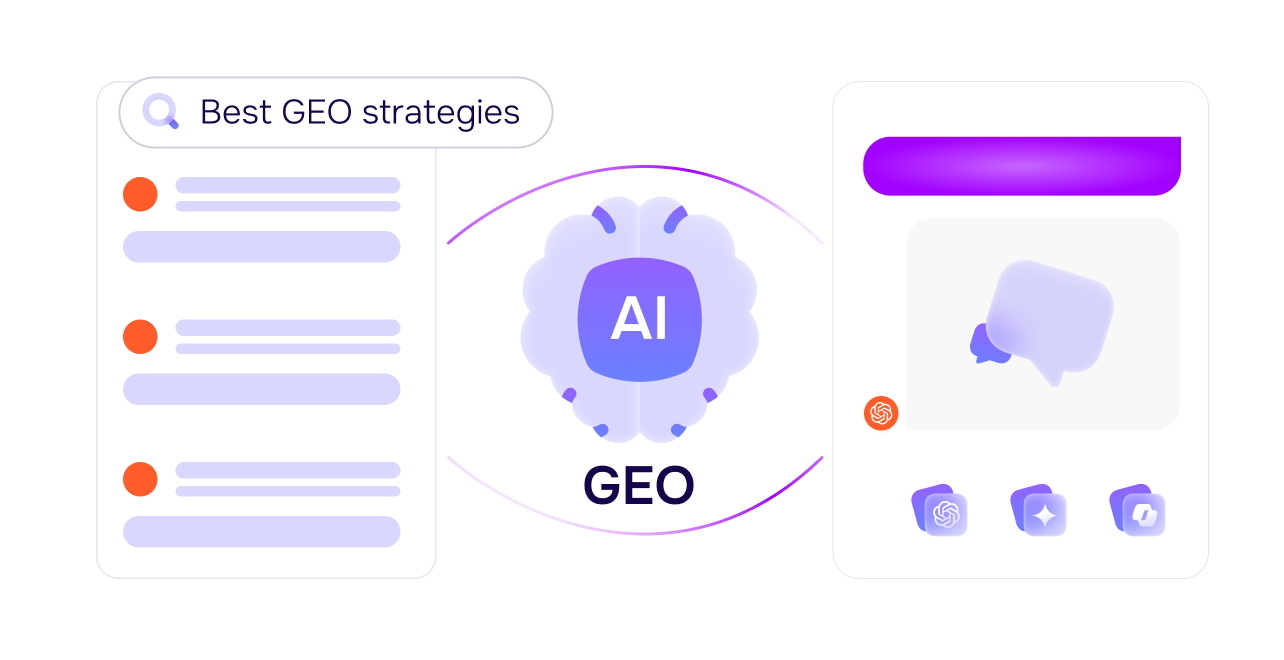
GEO (Generative Engine Optimization) is the optimization of content for generative AI systems that produce answers by analyzing and combining information from multiple sources.
Simply put, GEO helps ensure that AI uses content as a source of information when generating answers. In this case, a website can not only receive traffic but also become part of an AI-generated response or be cited within it. This is becoming increasingly important: analysts at Gartner discovered that traditional search traffic could decline by 25% by the end of 2026, as some user queries shift to AI chatbots and virtual agents that provide ready-made answers rather than a list of links.
When selecting sources, AI typically considers several factors: website authority, content expertise, how well the information is structured, clarity of wording, and potential for citations. Unlike traditional SEO, which focuses on driving traffic to a website, GEO also emphasizes another metric: mentions or use of content in AI responses. This means that even without a direct click, a site can influence the answer a user receives in an AI-powered search system.
Comparison of SEO, AEO and GEO
| Parameter | SEO | AEO | GEO |
| Primary goal | traffic | appearing in direct answers | content usage in AI responses |
| Where it appears | search results | snippets, voice search | AI-generated answers |
| Content type | long-form articles, pages | short answers, FAQs | expert content |
| Optimization | keywords | questions and answers | authority and citations |
| Primary metric | clicks | visibility in answers | AI usage |
| Content format | articles, categories, landing pages | short definitions, lists | analysis, research |
| Typical response length | detailed content | short answers (1–3 sentences) | structured explanations |
How to optimize content for SEO, AEO, and GEO simultaneously
- Use a question-and-answer structure
Form subheadings as questions and provide a short answer in the first 1–2 sentences. This format makes it easier for search engines and AI models to extract information.
- Write clearly and structure content logically
Short paragraphs, lists, and tables help algorithms analyze page content more quickly. Eye-tracking studies and UX research consistently show that users rarely read web pages word-for-word and instead scan them to find relevant information. Some analyses indicate that readers typically consume only about 20–30% of a page’s text.That’s why structured content — short paragraphs, lists, and tables — is easier for users to process and is more often used by search engines to generate answer boxes or featured snippets.
- Add expertise
Facts, research, statistics, references, and clear authorship enhance the credibility of the material.
- Use structured data
Schema markup (e.g., FAQ schema or Article schema) helps search engines better understand page content. According to Google, structured data helps search engines better understand page content and makes it eligible for rich results, such as ratings, product pages, or FAQ sections.
- Create content that is easy to quote
Clear definitions, concise wording, and clearly highlighted key ideas increase the likelihood that AI systems can use a piece of text in a response.
What’s next?
Industry reports and data for 2025–2026 show that search is indeed shifting toward an answer-based model. The share of zero-click search is growing: the Bain’s research suggests that 80% of users already rely on zero-click results for at least 40% of their searches, and this can lead to a 15–25% decline in organic traffic. Meanwhile, in B2B categories, click-through rates have already fallen by up to 30% in certain niches.
Another important trend is the growing role of voice and AI-assisted search. The eMarketer study shows that the number of voice assistant users in the United States will grow from 139.8 million in 2022 to 168.2 million by 2029, an increase of almost 30 million. Voice search and AI assistants are driving demand for content that can be quickly retrieved, summarized, and incorporated into ready-made answers.
Conclusion
The search landscape is rapidly changing, but its fundamental principles remain the same: users are still looking for answers to their questions. SEO remains the foundation of search visibility. However, as AI technologies advance, this alone is no longer sufficient. AEO is becoming increasingly important as search engines increasingly display direct answers directly in search results: in featured snippets, AI-generated overviews, and voice search.
At the same time, GEO is emerging, an approach focused on generative AI systems that produce answers from multiple sources.
Therefore, the future of search visibility will likely rely on a combination of SEO, AEO, and GEO, with each approach complementing the others.
FAQ
How does AEO differ from SEO?SEO aims to rank a page high in search results and drive traffic to the website. AEO focuses on ensuring that content directly answers a user’s question and is displayed in search results, such as featured snippets or voice search.
What does GEO mean in marketing?GEO is content optimization for generative AI systems that generate answers from multiple sources. The goal of GEO is to ensure that website content can be used by AI as a source of information when generating answers.
Can AI replace traditional search?It’s unlikely that AI will completely replace traditional search results. Rather, search is evolving: alongside lists of links, AI-generated answers and overviews are appearing. Users increasingly get quick answers directly in search results, but for more complex queries, they still turn to websites for more detailed information.
Should I change my SEO strategy because of AI?A complete overhaul of the strategy isn’t usually necessary, but it’s worth expanding it. In addition to classic SEO optimization, structured answers, expert content, and a clear content structure are becoming increasingly important, helping pages qualify for AI answers and featured snippets.